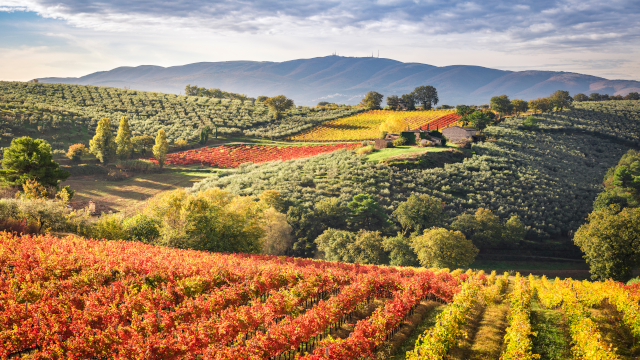
Italy is known worldwide for its pasta, pizza, and wine. But beyond the famous destinations, there are hidden culinary gems where travelers can experience authentic flavors, meet local producers, and discover traditions rarely found in guidebooks.
Explore lesser-known Food & Wine routes
Some regions are off the typical tourist path but full of flavor:
- Val Venosta, South Tyrol – Taste artisanal cheeses and fresh apples with breathtaking mountain views.
- Langhe-Roero, Piedmont – Small family wineries offer Nebbiolo tastings and truffle-hunting experiences.
- Le Marche – Discover seaside vineyards and olive oil producers hosting intimate tastings.
These routes allow travelers to enjoy authentic Italy without the crowds.
Authentic, hands-on experiences
The best way to experience Italy’s food culture is up close:
- Cooking classes in Emilia-Romagna – Learn to make fresh pasta or tortellini with local chefs.
- Market tours in Naples or Palermo – Taste sfogliatelle, arancini, and fresh mozzarella from local producers.
- Vineyard harvests – Participate in grape picking and winemaking, then taste your efforts.
Opportunities for producers
Hidden culinary experiences are not only for travelers – they are a chance for Italian producers to connect with international buyers and tourism operators:
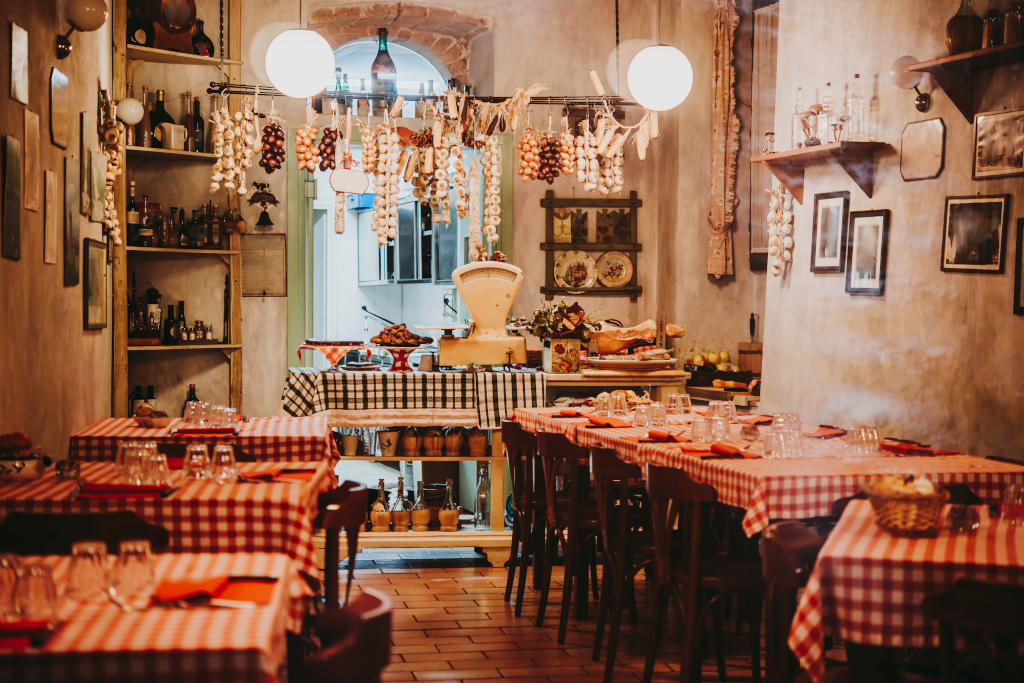
- Vineyards, cheese makers, and trattorie can offer tastings, workshops, and farm-to-table experiences.
- These activities showcase authentic products, promote culture, and create B2B connections worldwide.
Example: A day in Umbria could include tasting olive oil in the morning, a pasta cooking class at lunch, grape picking at a small vineyard in the afternoon, and dinner at a hidden trattoria. Travelers enjoy the experience, and producers connect directly with potential international buyers.
Italy’s hidden culinary gems prove that food is more than flavor, it is culture, tradition, and opportunity.